Phone:
+91 96772 54444
Email Address:
hello@gavinenergy.com
Physical address:
No.27, Chinnamuthu Main Street, Erode Collectorate,
Erode-638011

Phone:
+91 96772 54444
Email Address:
hello@gavinenergy.com
Physical address:
No.27, Chinnamuthu Main Street, Erode Collectorate,
Erode-638011
Let your home be powered by the Sun
What is solar system
Home solar systems are essential as they cut electricity costs, lessen environmental impact, and offer dependable power for 20 to 25 years.
Transforming your empty rooftop into a shining hub of solar panels, turning it into a brilliant source of energy. Every day, sunlight provides free electricity.
When sunlight hits the Photovoltaic (PV) cells in a solar panel, it is converted into electricity, producing DC current. An AC combiner box then converts this DC power into usable AC power.
The AC electricity produced is directed into a bidirectional meter, which powers the house and sends any surplus electricity back to the DISCOM (grid).
On-Grid System
It is a system for producing solar power from (PV) that is directly connected to the utility grid. Your excess solar energy is exported to the electrical grid, where it is typically compensated for with credits or a feed-in tariff.
Off-Grid System
A self-contained photovoltaic (PV) energy generation and storage system intended to function independently of the centralized electrical grid is known as an off-grid solar system.
Hybrid Grid System
Technically speaking, a hybrid solar system combines photovoltaic (PV) solar panels with an energy storage device and a grid link. In order to maximize energy production and consumption, this configuration enables the simultaneous generation of electricity from solar energy, the storage of excess power, and the ability to draw from the grid as necessary.
The DISCOM will receive an excessive amount of power from the bidirectional meter.
The electricity provided to the DISCOM will be documented via the net metering system.
We offer robust, high-efficiency systems built for longevity, guaranteeing sustained energy savings and dependable performance for many years.
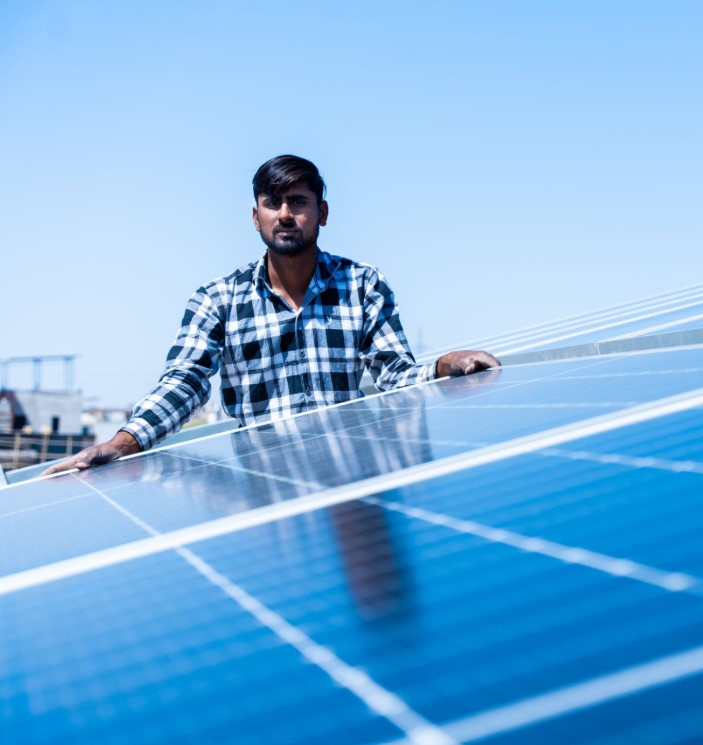
Get custom quote for our tailor made solar solutions to meet the specific needs of each home.
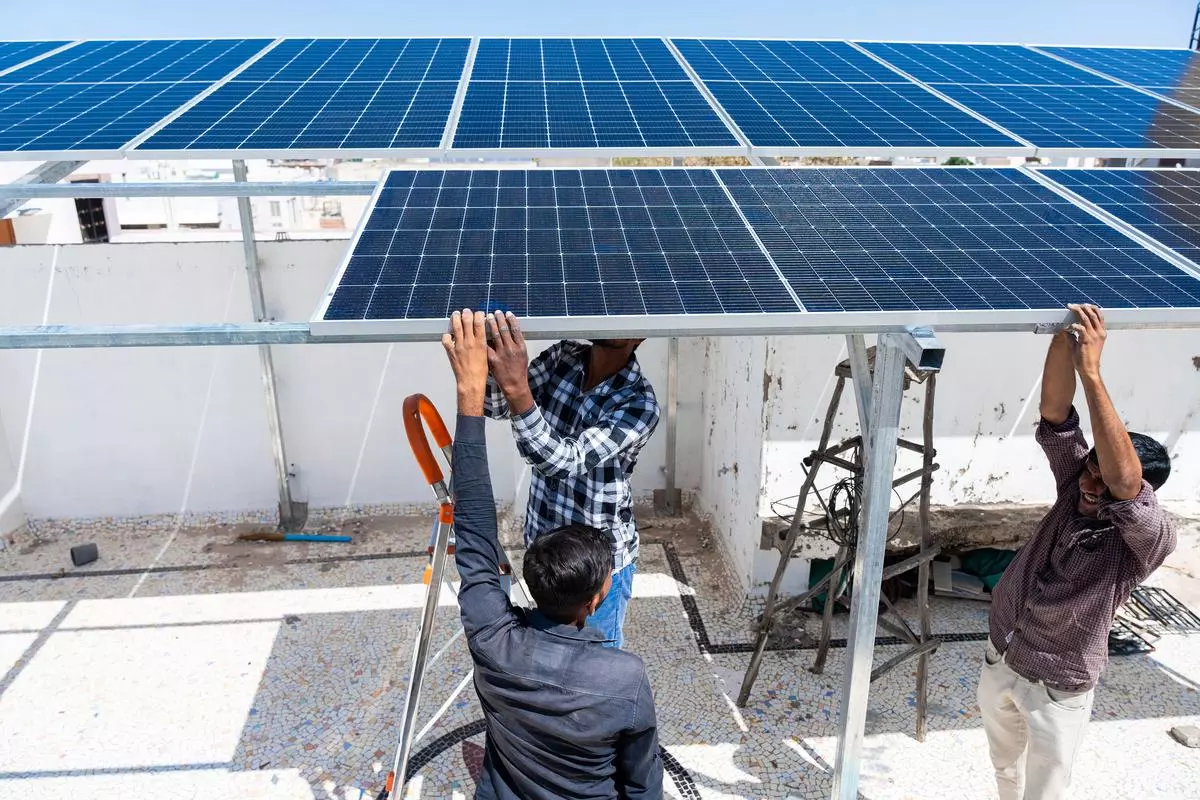
Ensures dedication throughout the installation process, from consultation to activation.
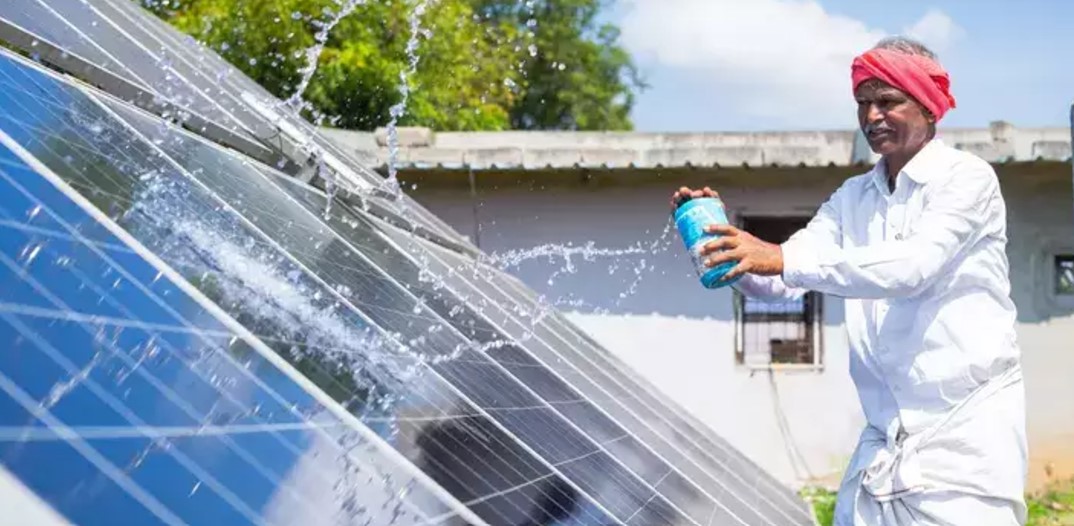
With dedicated experts and a focus on sustainability, we’re leading the way to a future.
Why CHOOSE US
This streamlined process ensures a quick and efficient installation. Need more details on any step?
Check roof condition and sunlight exposure.
Determine energy needs and panel type.
Ensure for obtaining necessary local permits
Mount panels, connect wiring, and set up the inverter.
rooftop solar system
A rooftop solar system consists of several key components that work together to convert sunlight into usable electricity. Here are the main components:
Several technical considerations need to be made before a solar system is installed.
01. These include site-specific elements including space availability, roof perspective, shading, and exposure to sunlight.
02. Compatibility with current infrastructure, voltage requirements, watt capacity, and inverter efficiency are all electrical factors.
03. Payback duration, possible incentives, and system cost should all be included in financial analysis.
Understanding the costs
Setting up a rooftop solar system in India entails various expenses, such as the cost of solar panels, inverters, installation, and permits.
Typically, the cost for a residential solar installation ranges from INR 60,000 to INR 1,20,000 per kW, influenced by factors like panel type, system size, and installation complexity.
Numerous banks provide loans tailored for solar installations, featuring attractive interest rates and flexible repayment options.
Central Government Subsidy
For rooftop solar systems under 3 kW and systems between 3 kW and 10 kW, the Ministry of New and Renewable Energy (MNRE) provides a subsidy of up to 40% and 20%, respectively.
State Government Subsidies
Various states offer extra financial aid and incentives. Tamil Nadu, for example, provides an additional subsidy on top of the central government subsidy.
1kW to 3kW, Receive a subsidy of ₹14,588 per kW
3kW to 10kW, Receive a subsidy of ₹14,588 per kW for first 3kw and remaining would be subsidy of ₹7,294 per kW, for above 10kW subsidy of fixed cost ₹94,822.
The price range for each 1 KW solar system is between Rs. 45,000 and Rs. 70,000.